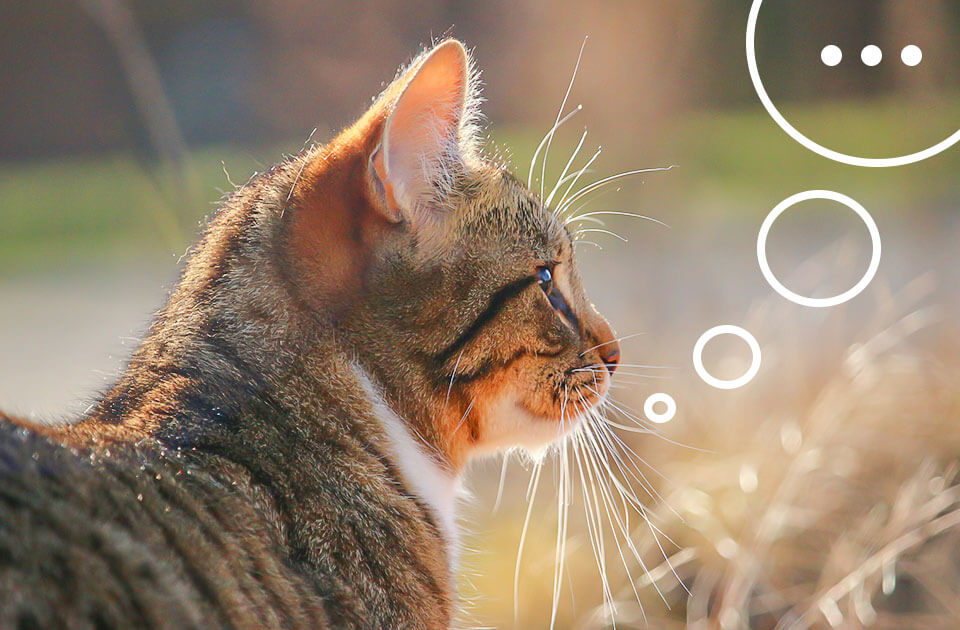
Want the best for your feline friend? Orijen cat food promises top-tier nutrition, but does it really live up to the hype and justify the premium price tag?
Orijen is a leading premium cat food brand known for its "biologically appropriate" philosophy. Their approach focuses on high-quality, natural ingredients that mimic a cat's ancestral diet. They pride themselves on offering a diet that’s rich in animal protein, with limited carbs and no unnecessary fillers.
In this review, we’ll take a deep dive into Orijen cat food, examining its ingredients, the benefits it promises, and the potential drawbacks. Ultimately, we'll help you determine if this premium food is worth the investment for your cat’s health and well-being.
As a cat owner, you probably have a few concerns especially about the high price, the long ingredient list, and whether this food is suitable for your cat’s specific needs. You're likely searching for honest, reliable reviews to help you make the best decision.
Ready to dive deep into Orijen cat food and discover if it's the right choice for your beloved cat? Keep reading!
Understanding Orijen's "Biologically Appropriate" Philosophy
Orijen focuses on recreating a cat’s natural ancestral diet, which means lots of animal-based protein and fewer carbs. Cats are obligate carnivores, meaning they rely on animal protein to meet their nutritional needs. They thrive on meat, and Orijen delivers that with high-quality protein from chicken, turkey, fish, and more.
Why Limit Carbohydrates?
Cats don’t need many carbs. In fact, their bodies don’t process carbohydrates as efficiently as they do proteins. Orijen keeps carbs to a minimum, focusing on low-glycemic options like peas and lentils. This helps maintain a healthy blood sugar level and supports your cat’s natural energy levels without the risk of weight gain or diabetes.
Rich in Fresh, Whole Foods
Orijen goes above and beyond by using fresh, regionally sourced ingredients. They don’t just use muscle meat but also whole animal parts like organs, bones, and cartilage. This “WholePrey” ratio is key because it provides a balanced, nutrient-rich diet that’s as close to what your cat’s wild ancestors would have eaten.
Why is "Biologically Appropriate" Important for Cats?
So, why is this feeding philosophy important for your cat?
- Optimal Digestion and Nutrient Absorption: By focusing on natural, animal-based ingredients, Orijen helps your cat absorb nutrients better, leading to improved digestion.
- Supports Healthy Muscle Mass and Energy Levels: The high protein content helps maintain strong muscles and provides sustained energy throughout the day.
- Promotes Healthy Skin and Coat: The balanced fatty acids, including Omega-3 and Omega-6, support a shiny coat and healthy skin.
- May Reduce Risk of Diet-Related Health Issues: By avoiding unnecessary fillers and focusing on high-quality ingredients, Orijen can help prevent health problems like obesity and diabetes.
How Does Orijen Implement This Philosophy?
The ingredients are 85-90% animal-based, ensuring your cat gets the protein it needs. The use of whole animal parts, instead of just muscle meat, helps provide a full spectrum of nutrients, just like nature intended.
Limited Plant-Based Ingredients
While Orijen focuses on animal ingredients, it does include some plant-based ingredients, but they are used sparingly and with purpose. These plants, like lentils, peas, and fruits, provide essential nutrients and fiber, helping to support digestion and overall health without taking the focus off the meat.
Sourcing and Quality of Ingredients
Orijen is committed to sourcing its ingredients from trusted, regional suppliers, ensuring that each ingredient is fresh and of the highest quality. This dedication to quality is what helps set Orijen apart from other premium cat food brands.
Ingredient Deep Dive: What's Really Inside Orijen Cat Food?
Orijen believes in transparency when it comes to its ingredients, so let’s break down what’s inside and take a closer look at what makes their food stand out.
Protein Sources: Powering Your Carnivore
Orijen uses a variety of animal proteins to meet the needs of your carnivorous cat. Common protein sources include:
- Chicken
- Turkey
- Fish
- Red meat (like beef and lamb)
- Organs (like liver and heart)
These proteins are not only high-quality but are also easy for cats to digest, making sure they get the full nutritional benefit from the food. Orijen includes muscle meat as well as organs, which provide a richer nutrient profile similar to what cats would naturally consume.
Fats & Omega Fatty Acids: Fuel and Vitality
Healthy fats are an important part of any cat’s diet. Orijen uses:
- Poultry fat
- Fish oil
- Plant-based oils (in small amounts)
These fats provide energy and are essential for overall health. Omega-3 and omega-6 fatty acids are particularly important for maintaining your cat’s skin and coat. Orijen balances these fatty acids to keep your cat’s skin healthy and their coat shiny.
Fish oil, rich in EPA and DHA, offers even more benefits for your cat’s health, including supporting heart function and reducing inflammation.
Carbohydrates (Limited): Low-Glycemic Energy
Orijen limits carbohydrates in its food, focusing on low-glycemic options like:
- Lentils
- Beans
- Peas
- Fruits and vegetables
Cats don’t need many carbs, and these low-glycemic options help provide steady energy without spiking blood sugar. The food also includes fiber, which supports healthy digestion and keeps your cat's tummy happy.
Vitamins, Minerals, and Supplements: Essential Nutrients
Orijen ensures its food is packed with essential vitamins and minerals to support your cat’s health, including:
- Vitamin A for vision
- Vitamin D for bone health
- Calcium for strong bones
- Taurine for heart and eye health
The vitamins and minerals come from both natural and synthetic sources, ensuring they are easily absorbed by your cat. Orijen also includes beneficial supplements like probiotics and prebiotics, which help maintain gut health and digestion.
Biologically Appropriate" Ingredient Analysis Summary
Orijen’s ingredient list is designed to follow its "biologically appropriate" philosophy. The high amount of animal-based ingredients and limited plant-based ingredients ensure that your cat gets the nutrients they would naturally consume in the wild. The use of high-quality, regionally sourced ingredients guarantees the best nutrition possible.
The ingredient quality is top-notch, with minimal processing to maintain nutritional value. Overall, Orijen’s ingredients align well with their philosophy of supporting a cat's natural dietary needs.
Exploring the Orijen Product Range: Finding the Right Fit for Your Cat
Orijen offers a variety of cat food products to suit different needs, from adult cats to kittens and seniors. Let’s explore their product lines to help you find the best match for your cat.
Dry Food Lines:
Orijen Original
- Target Cat Profile: General adult cats, all breeds, and lifestyles.
- Key Features & Benefits: This formula provides a balanced mix of animal proteins (chicken, turkey, fish) and includes high-quality ingredients that support overall health. It’s perfect for active cats or those with a healthy weight, offering the right nutrients to fuel their day.
Orijen Regional Red
- Target Cat Profile: Cats who enjoy red meat flavors and potentially active cats.
- Key Features & Benefits: This recipe includes high-protein red meats like beef, boar, and lamb, providing a rich, meaty flavor that your cat will love. It’s ideal for cats that need extra energy or prefer a red meat-based diet.
Orijen Six Fish
- Target Cat Profile: Cats who prefer fish or potentially sensitive cats (though fish can also be allergens).
- Key Features & Benefits: With multiple fish sources, including herring, mackerel, and flounder, this formula is rich in omega-3 fatty acids. It supports healthy skin, coat, and heart function, making it a great choice for cats who thrive on fish-based diets.
Orijen Kitten
- Target Cat Profile: Kittens of all breeds during their critical growth phase.
- Key Features & Benefits: This formula is packed with higher protein and fat levels to support the growth and development of your kitten. It provides the necessary nutrients for healthy bones, muscles, and energy.
Orijen Senior
- Target Cat Profile: Senior cats with specific needs related to aging.
- Key Features & Benefits: Designed for older cats, this formula adjusts protein and calorie levels to support aging bodies. It includes joint-supporting ingredients to keep your senior cat active and comfortable.
Orijen Indoor Cat
- Target Cat Profile: Less active, indoor-only cats prone to weight gain.
- Key Features & Benefits: With lower calories and fat content, this formula helps manage weight while still providing the necessary nutrients. It also includes fiber to support digestion, making it a great choice for indoor cats who need help maintaining a healthy weight.
Choosing the Right Orijen Formula
Choosing the best Orijen formula depends on your cat’s age, activity level, and specific dietary needs.
- For Active Cats: Orijen Original or Regional Red are great options.
- For Kittens: Orijen Kitten is specially formulated to support their growth.
- For Senior Cats: Orijen Senior provides the right nutrients for aging bodies.
- For Indoor Cats: Orijen Indoor Cat is designed to help with weight management.
If you're unsure, visit the Orijen website for more detailed product information and ingredient lists. There’s a formula that’s just right for your cat’s unique needs.
The Pros and Cons of Orijen Cat Food: Weighing the Benefits and Drawbacks
When choosing cat food, it’s important to consider both the good and the not-so-good. Let’s take a balanced look at the pros and cons of Orijen cat food.
Pros of Orijen Cat Food
- High-Quality, "Biologically Appropriate" Ingredients: Orijen uses top-quality, animal-based ingredients that align with a cat’s natural diet. With high protein and minimal fillers, it offers the best nutrition for your feline friend.
- Potential Health Benefits: Many cats show improvements in their health after switching to Orijen, including:
- Shinier coats
- More energy
- Better digestion
- Healthy muscle mass
- Transparency and Brand Reputation: Orijen is well-known for its commitment to ingredient transparency. They share exactly what’s in their food, and their reputation as a premium brand reflects their focus on high-quality nutrition.
- Suitable for Picky Eaters (Potentially): Some cats, especially picky eaters, are more likely to enjoy Orijen because of its high meat content and natural flavors. If your cat is fussy about food, Orijen might be worth trying.
Cons of Orijen Cat Food
- High Price Point: One of the main drawbacks is the cost. Orijen is more expensive compared to regular cat food brands, which might make it harder for some owners to justify the price.
- Palatability Can Vary: Not all cats will like the taste or texture of Orijen. Despite its high-quality ingredients, some cats may refuse to eat it. Every cat has different taste preferences.
- Richness May Cause Digestive Upset (Initially): Because of its rich protein content, some cats may experience digestive upset when first switching to Orijen. It’s recommended to gradually transition to avoid any issues.
- Not Suitable for All Cats (Specific Conditions?): Orijen may not be the best choice for cats with certain health issues, such as food allergies or kidney disease. If your cat has specific health concerns, it’s best to consult with your vet before making the switch.
- Availability & Accessibility: While Orijen is available in many pet stores, it may not be as easily accessible in all areas. Depending on where you live, it might be harder to find or get delivered.
Feeding Guide and Transitioning to Orijen: Ensuring a Smooth Switch
Switching your cat to a high-quality diet like Orijen can be one of the best decisions for their long-term health, but only if done correctly. Proper feeding practices are essential to avoid digestive issues and to help your cat fully benefit from Orijen’s nutrient-rich formulas.
Let’s walk through how to feed Orijen properly and make the transition as smooth as possible.
Orijen Feeding Guidelines: Understanding Portion Sizes
Orijen offers feeding charts on each of their product packages and website. These serve as starting points, based on your cat’s weight and activity level.
How to Use the Feeding Charts
- Find your cat’s current weight category.
- Determine if they are less active, moderately active, or very active.
- Start with the recommended daily portion and monitor from there.
Factors That Affect How Much Your Cat Needs
No two cats are the same. You may need to adjust portions based on:
- Age (kittens vs. adults vs. seniors)
- Activity level (indoor napper vs. outdoor explorer)
- Metabolism (some cats burn calories faster than others)
- Existing health conditions (always consult your vet if unsure)
Calorie-Dense Formulation
Orijen is more calorie-dense than most commercial cat foods. This means smaller portions often deliver more nutrients and energy.
Expert Tip: Overfeeding is easy with calorie-rich food—measure portions precisely and monitor your cat’s weight regularly.
Transitioning to Orijen: A Gradual Approach
Cats have sensitive stomachs, and even high-quality food can cause issues if introduced too quickly.
| Day | Old Food | Orijen |
|---|---|---|
| 1 - 2 | 75% | 25% |
| 3-4 | 50% | 50% |
| 5-6 | 25% | 75% |
| 7+ | 0% | 100% |
Expert Tip: Go slower if your cat is prone to digestive upset or picky eating.
Watch for Digestive Signs
- Mild soft stools can be normal during the switch.
- Vomiting, refusal to eat, or diarrhea may mean you're transitioning too fast.
- If issues persist, pause the transition and consult your vet.
The Crucial Role of Fresh Water
-
High-protein diets like Orijen place more demand on the kidneys, so adequate hydration is essential.
Why Water Matters with Orijen
- Protein metabolism produces waste that must be flushed through the kidneys.
- Cats on dry food often don’t drink enough water naturally.
Encourage Water Intake
- Offer multiple water bowls around the house.
- Try a cat water fountain—many cats prefer running water.
- Add wet food to the diet occasionally for extra moisture.
Expert Tip: Ensure fresh, clean water is always available—and consider placing bowls away from food and litter boxes for better appeal.
What Cat Owners Are Saying: Real-World Reviews and Ratings of Orijen
Summary of Positive Reviews and Praises
Many Orijen customers report noticeable improvements in their cats’ overall health and well-being. Here are the most frequently mentioned benefits:
Improved Coat and Skin Health
A glowing coat is one of the first changes owners notice after switching to Orijen. Reviews often highlight:
- Shinier, softer fur
- Reduced shedding
- Fewer skin irritations and flakiness
“Her coat is the softest it’s ever been—and she sheds way less!”
Increased Energy and Playfulness
Several owners mention that their cats seem more alert, active, and playful after transitioning to Orijen—likely thanks to the high animal protein content.
“He’s 10 years old and playing like a kitten again!”
Better Digestion and Stool Quality
Digestive improvements are another common theme, with many reviewers reporting:
- Smaller, firmer stools
- Less odor
- Fewer stomach upsets (after the transition phase)
“His litter box smells better and he’s more regular. I never thought I’d say I’m excited about poop, but here we are.”
Appealing to Picky Eaters (Sometimes)
While not universal, some cat parents with notoriously picky eaters report that Orijen is one of the few foods their cats enjoy—especially the fish-heavy formulas like Six Fish.
“We tried five brands before Orijen—this is the only one she finishes every time.”
Summary of Negative Reviews and Complaints
Despite the many positives, Orijen isn’t a perfect fit for every cat—or every household budget. Here are the most common drawbacks mentioned in reviews:
High Price Point
By far, the most consistent concern is the cost. Orijen is positioned as a premium product, and many cat owners find it significantly more expensive than standard grocery store brands.
“I love the quality, but it’s tough to afford with three cats.”
Palatability Issues
Not all cats love Orijen’s taste or texture. Some owners report that their cats turned up their noses, even after a proper transition.
“He sniffed it and walked away. Tried for a week—no luck.”
Digestive Upset in Sensitive Cats
Though many cats adjust well, a portion of reviewers mention digestive issues—such as soft stools or vomiting—especially during the transition period or if introduced too quickly.
“It’s high-quality, but too rich for my cat. Had to go back to his old food.”
Ingredient Concerns (Occasional)
Some reviewers express concern over ingredients like lentils, peas, or legumes, often referencing broader debates about grain-free foods. While Orijen uses these for their nutritional value and low glycemic index, cats with specific sensitivities may not tolerate them well.
Note: The FDA has not established a direct causal link between grain-free foods and heart disease in cats. Always consult your vet for tailored advice.
Key Takeaway: Orijen works exceptionally well for many cats, but as with any premium diet, success depends on your individual cat’s taste, health status, and sensitivity.
Is Orijen Cat Food Worth the Premium Price? A Cost-Benefit Analysis
Breaking Down the Cost: Price Comparison
Orijen is widely recognized as a top-tier cat food brand, but with that reputation comes a higher price tag. So, is it truly worth the premium? Let’s break it down.
Orijen vs. Other Premium Brands
When compared to other high-end cat foods like Acana, Ziwi Peak, Wellness CORE, or Instinct Raw Boost, Orijen typically sits at the higher end of the spectrum:
| Brand | Avg. Price (Dry Food, per lb |
|---|---|
| Orijen | $5.50 – $7.50 |
| Acana | $4.50 – $6.00 |
| Wellness CORE | $3.50 – $5.00 |
| Instinct Raw Boost | $4.50 – $6.50 |
While other premium foods offer high-quality ingredients, Orijen stands out for its exceptionally high meat content, lack of fillers, and commitment to biologically appropriate nutrition.
Orijen vs. Grocery Store Brands
Standard cat foods such as Purina Cat Chow, Friskies, or Meow Mix typically cost:
| Brand | Avg. Price (Dry Food, per lb |
|---|---|
| Purina Cat Chow | $1.50 – $2.50 |
| Meow Mix | $1.00 – $1.80 |
| Friskies | $1.30 – $2.00 |
This shows Orijen can cost 3–6x more per pound than supermarket brands—but ingredient quality and nutritional density are also vastly different.
Cost Per Day Example
Let’s put the price in practical terms for an average adult cat weighing 10 lbs.
- Orijen Daily Serving: ~65g (based on feeding guide)
- Bag Size: 4 lb = 1,814g
- 4 lb Bag Price: ~$35
- Daily Cost: ~$1.25
Now compare:
- Generic Dry Food Daily Cost: ~$0.30 – $0.50
- Other Premium Brand Daily Cost: ~$0.80 – $1.10
Key Insight: Feeding Orijen costs roughly $1–$1.50 per day for an average cat—more than most foods, but not wildly unaffordable in the context of pet care.
Long-Term Health Benefits and Potential Savings
While the upfront cost is higher, Orijen may help reduce costs in other areas:
Reduced Vet Bills (Potentially)
Feeding a high-quality, protein-rich diet can support better digestion, healthier weight, and reduced risk of common conditions like urinary tract issues, obesity, or allergies, potentially lowering the frequency and severity of vet visits.
“After switching to Orijen, his skin allergies cleared up. We haven’t been to the vet for it in 6 months.” — Verified Buyer
Improved Longevity & Quality of Life
Consistent, nutrient-dense diets may help support a longer, healthier life. While this is hard to quantify, many owners report their cats are more active and have better overall vitality on Orijen.
Case Example: A 9-year-old indoor cat with frequent digestive upset transitions to Orijen Six Fish. Within weeks, stool quality normalizes, coat improves, and energy increases. Over a year, no new GI flare-ups were reported.
The Value Proposition: Is It Worth It?
When evaluating the true cost of Orijen, it's not just about the bag price—it’s about what’s inside and the potential outcomes.
You’re Paying For:
- Ultra-premium, fresh regional ingredients
- 85–90% animal protein content
- No by-products, fillers, or artificial additives
- Transparent sourcing and sustainability practices
- A biologically appropriate formula aligned with feline needs
Who It’s Best For:
- Health-conscious cat owners
- Cats with food sensitivities or allergies
- Households prioritizing premium, long-term nutrition
- Picky eaters (in some cases)
- Indoor cats who need nutrient-dense, lower-volume meals
Final Verdict
Is Orijen worth the premium?
For many cat owners, yes. If your budget allows, the investment can lead to visible health improvements, potential savings on vet care, and peace of mind knowing you’re offering top-tier nutrition.
That said, Orijen isn’t for every cat or every household. Always consider your cat’s specific needs, preferences, and any advice from your vet.
Making the Right Choice for Your Cat: Is Orijen the Answer?
Choosing the best cat food is a highly personalized decision. What works wonders for one cat might not be the best fit for another. When considering Orijen, it’s important to factor in your cat’s unique needs, preferences, and health requirements. Let’s break down the key considerations to help you make an informed decision.
Consider Your Cat's Specific Needs
Age, Health, and Activity Level
Your cat’s age, health, and activity level play a huge role in determining the right food. Orijen offers different formulas, like Orijen Kitten for growing cats and Orijen Senior for aging cats, which cater to the distinct nutritional needs of each life stage. Consider your cat’s energy expenditure and specific life phase when choosing a formula.
- Kittens: Require higher protein and fat for growth.
- Active cats: Need nutrient-dense food to support energy.
- Senior cats: Benefit from lower-calorie, joint-supporting formulas.
Dietary Sensitivities or Health Conditions
If your cat has known health conditions (like kidney disease, allergies, or obesity), you should consult a veterinarian before switching to Orijen or any new food. For example, while Orijen’s high protein content is ideal for most cats, it might not be suitable for cats with kidney issues who need a lower-protein diet.
Cat’s Preferences and Palatability
Even though Orijen is highly regarded for its high-quality ingredients, taste preferences vary from cat to cat. Some cats may not immediately take to the food, and even the best brands can have a hit-or-miss response with finicky eaters. If your cat refuses to eat Orijen, don’t be discouraged—try different flavors or adjust the transition process.
The Importance of Veterinary Consultation
Before making any significant changes to your cat’s diet, especially when introducing a high-quality food like Orijen, it’s always best to consult with your veterinarian. A vet can provide personalized advice based on your cat’s health, age, and any existing conditions. Your veterinarian can also guide you on portion sizes and ensure that the new food aligns with your cat’s needs.
“As a vet, I always recommend that owners discuss any dietary changes with me to ensure the food is a good fit for their pet’s unique health profile.” — Dr. Laura Johnson, DVM
Observe Your Cat's Response After Switching
Once you've transitioned your cat to Orijen, it’s important to monitor their health and well-being closely. Keep an eye on their energy levels, coat condition, digestion, and stool quality to see how they’re adjusting. Any changes, positive or negative should be noted.
Expert Tip: Observe Your Cat’s Health and Stool
Watch for:
- Improved coat: Shinier, softer fur and less shedding.
- Energy levels: Increased activity or playfulness.
- Digestion: More consistent stools or easier bowel movements.
- Stool quality: Less frequent litter box issues like diarrhea or vomiting.
If your cat shows signs of digestive upset or dislikes the taste, consider adjusting the formula, portion sizes, or making the transition more gradual.
Final Recommendation/Summary
Is Orijen the right choice for your cat? The answer depends on your cat’s individual needs and your commitment to their long-term health. Orijen’s high-quality, biologically appropriate ingredients make it a premium choice, but the premium price may not be suitable for every cat or owner.
- Recommended for:
- Healthy cats, especially active, senior, or picky eaters
- Owners willing to invest in top-tier nutrition for long-term benefits
- Cats without specific dietary restrictions
- Not recommended for:
- Cats with certain health conditions (e.g., kidney disease)
- Cats with a sensitive stomach or preference for more affordable options
Call to Action
We’d love to hear from you! Share your experiences with Orijen in the comments below or ask any questions you might have. Whether you’re considering Orijen or have already switched, your insights could help others in their decision-making process.
Feel free to share this review with fellow cat owners who might be considering Orijen—because making the right food choice is an important decision for every cat’s health!
Expert Tips Summary
- Transition to Orijen Gradually
- Integrated within the "Transitioning to Orijen" section.
- Gradual introduction helps minimize digestive upset. Follow the step-by-step guide over 7-10 days to make the transition smoother for your cat.
- Monitor Portion Sizes Carefully
- Integrated within the "Orijen Feeding Guidelines" section.
- Since Orijen is calorie-dense, smaller portions might be needed compared to lower-quality foods. Adjust portions based on your cat’s weight, activity level, and overall health.
- Ensure Fresh Water Availability
- Integrated within the "The Crucial Role of Fresh Water" section.
- Cats eating a high-protein diet like Orijen require ample fresh water for hydration and kidney function. Always provide clean water and multiple sources to encourage drinking.
- Observe Your Cat's Health and Stool
- Integrated within the "Making the Right Choice" section.
- After switching to Orijen, monitor your cat’s health, energy levels, coat condition, and stool. This will help you determine if any adjustments are necessary.
- Store Orijen Properly
- Suggested as a general tip.
- "Remember to Store Orijen Properly": Keep the food in a cool, dry place in an airtight container to maintain freshness and prevent spoilage.
